
As an Amazon Associate, I earn from qualifying purchases.
It is Friday night, you are enjoying a delicious slice of pizza, and a greasy piece of meat slips from your hand onto the floor. Your dog inhales it before you can even react, leaving you frantically wondering, can dogs eat pepperoni? No, dogs should never eat pepperoni because it is heavily processed, packed with toxic spices like garlic, and contains excessive fats that can trigger severe intestinal upset or fatal pancreatitis.
While it is a favorite human snack, this cured meat is essentially a toxic cocktail for a canine’s delicate digestive system. Let us dive deep into the hidden dangers of this popular meat, what symptoms to watch for, and how to protect your dog in an emergency.
Why Cured Meats are Dangerous for Canines
When pet parents ask, can dogs eat pepperoni, they often assume that because it is meat, it must be safe for a carnivorous animal. This is a massive and dangerous misconception. As we warned in our detailed guide on whether Can Dogs Eat Pizza, the danger lies entirely in the commercial manufacturing process.
Pepperoni is not fresh meat; it is highly cured using massive amounts of salt, synthetic preservatives (nitrates), and harsh spices. A dog’s digestive tract cannot process these intense artificial flavors. The heavy concentration of paprika, chili powder, and black pepper acts as an immediate irritant, causing rapid inflammation of the stomach lining.

Nutritional Snapshot: The Toxic Breakdown
To fully understand why the answer to can dogs eat pepperoni is a strict no, you must look at its terrifying nutritional profile. Here is a snapshot of why this snack fails every safety test:
| Ingredient Feature | Impact on Dogs | Danger Level |
| Saturated Fat | Extremely High | ❌ Critical Risk (Triggers Pancreatitis) |
| Sodium (Salt) | Overwhelming | ❌ Severe Risk (Causes Sodium Toxicosis) |
| Garlic / Onion Powder | Always Present | ❌ Fatal (Destroys Red Blood Cells) |
| Nitrates | Chemical Preservative | ⚠️ Long-term carcinogenic risk |
| Spices | Chili & Paprika | ❌ High Risk (Burns the stomach lining) |
The Major Health Risks of Pepperoni
Veterinarians are extremely clear when asked can dogs eat pepperoni, highlighting three major life-threatening conditions caused by this spicy treat.
Acute Pancreatitis
Because this meat is dripping in concentrated grease, it ranks extremely high on the list of the worst Human Foods That Cause Pancreatitis in Dogs. When a dog consumes this massive fat load, their pancreas becomes violently inflamed, leading to excruciating abdominal pain, vomiting, and a necessary emergency hospital stay.
Garlic and Onion Toxicity
Almost all commercial pepperoni is heavily seasoned with garlic powder and onion powder to enhance the flavor. According to the American Kennel Club (AKC), both garlic and onions contain thiosulfate, a compound that aggressively attacks and destroys a dog’s red blood cells, leading to a fatal condition known as hemolytic anemia.
Sodium Ion Poisoning
The extreme salt content used to cure the meat can instantly dehydrate your dog. In severe cases, eating multiple slices can cause sodium ion poisoning, resulting in uncontrollable tremors, seizures, and potential kidney damage.
What to Do If Your Dog Sneaks a Slice
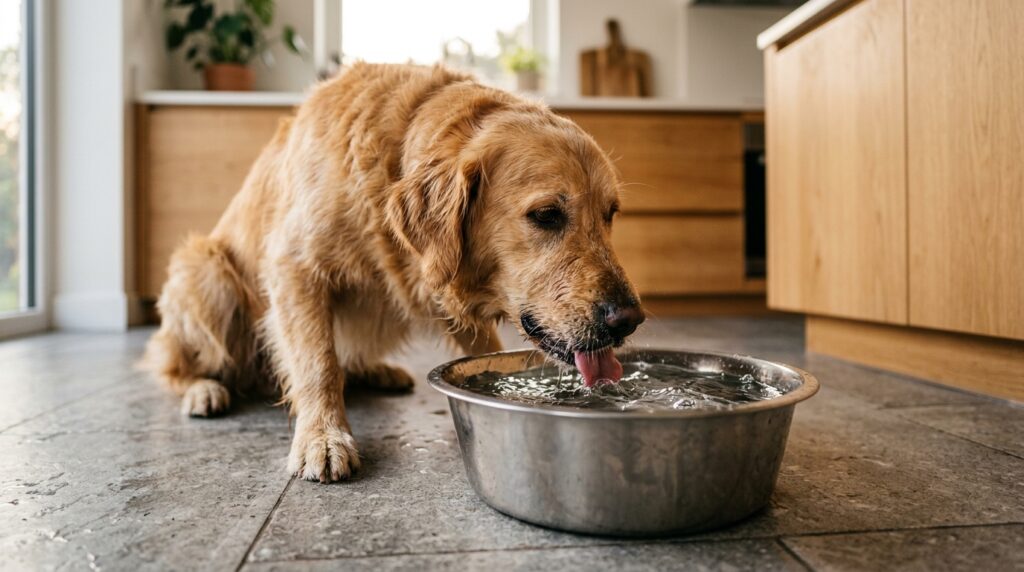
If you no longer need to wonder can dogs eat pepperoni because your dog just stole several pieces from the counter, you must monitor them closely. One small, dropped slice will likely only cause a mild bout of gas or excessive thirst. Provide plenty of fresh water immediately.
However, if they ate a large amount, watch for severe vomiting, lethargy, or pale gums. If the spices cause severe gastrointestinal distress after passing, you must know exactly How to Stop Dog Diarrhea Fast by implementing a temporary bland diet. To rapidly repair the damage done to their gut microbiome by the harsh spices, we highly recommend administering one of the 5 Best Probiotics for Dogs with Pancreatitis.
If your dog frequently suffers from a sensitive stomach after stealing table scraps, permanently transitioning them to one of the highly digestible 7 Best Dog Foods for Sensitive Stomachs will help protect their gastrointestinal tract long-term and allow you to safely resolve the situation without having to ask can dogs eat pepperoni ever again.
Healthy Alternatives for Your Dog
Before you search can dogs eat pepperoni looking for a fun treat to share with your pup, remember there are plenty of safe, satisfying alternatives. Plain, boiled chicken breast or turkey without any seasonings provides the savory, meaty flavor dogs crave without the massive health risks. Crunchy vegetables like carrots or green beans are also fantastic, fat-free options that act as a healthy reward.
Frequently Asked Questions
Can one slice of pepperoni kill a dog?
When worrying about whether can dogs eat pepperoni, a single, standard slice is highly unlikely to be fatal to a medium or large-sized dog. However, for a tiny toy breed or a dog with a history of digestive issues, even one greasy slice can trigger a painful pancreatic attack.
Are turkey pepperoni or beef pepperoni safe for dogs?
No. While people often search can dogs eat pepperoni hoping alternative meats are safer, turkey and beef versions are still heavily processed. They undergo the exact same curing process and contain the same dangerous levels of salt, garlic powder, and spicy preservatives as the traditional pork version.
Why do dogs love pepperoni so much?
Even though the ultimate answer to can dogs eat pepperoni is a resounding no, dogs are naturally drawn to foods that are extremely high in fat and emit a very strong, pungent aroma. The intense smell acts as an irresistible magnet to a dog’s powerful nose, blinding them to the fact that the food will ultimately make them sick.